Find out how a Commercial General Contractor Can Enhance Efficiency and Success in Your Building Projects
A GC plays an essential role in the construction industry. This expertise simplifies project oversight, leading to greater efficiency and positive results. By facilitating dialogue among project participants and leveraging relationships with subcontractors, they help navigate the complexities of construction work. Knowledge of local codes also lessens potential legal problems. This prompts a vital inquiry: how do these factors combine to transform the construction process?
The Role of a GC
A commercial general contractor orchestrates the complex process of construction projects, ensuring that every aspect runs smoothly from start to finish. They serve as the main point of contact, coordinating between various stakeholders, including clients, subcontractors, and vendors. This role involves detailed planning, scheduling, and budgeting to keep projects on schedule and budgetary limits.
The contractor manages all building work, guaranteeing adherence with building codes, safety regulations, and quality requirements. They are in charge of acquiring necessary permits and addressing any legal requirements required for the work. In addition, they manage the workforce, delegating work to skilled tradespeople while watching output and productivity.
In addition to managing day-to-day work, the contractor handles any delays or delays that arise, adapting plans as necessary to ensure timely completion. This extensive oversight is vital for minimizing risks and ensuring the successful delivery of commercial building projects.
Benefits of Hiring a General Contractor
Employing a GC offers numerous advantages that can vastly boost see here the efficiency and success of a construction job. One key benefit is their skill in overseeing complex projects, facilitating easier communication among various parties involved. This consolidation lowers communication errors and reduces possible delays.
Furthermore, general contractors maintain strong ties with subcontractors and suppliers, securing quick access to high-grade supplies and expert tradespeople. This structure may bring about cost savings and more efficient timelines.
Contractors provide a deep understanding about local codes and regulations, which assists in avoiding regulatory problems and costly fines.
Additionally, employing a contractor enables owners to concentrate on their main business goals, rather than getting bogged down in daily construction management tasks. Overall, utilizing a GC leads to a more organized, effective, and successful building project, which ultimately results in a higher return on investment.
Key Responsibilities in Project Management
Good project oversight depends on a number of core duties that a general contractor needs to maintain during the entire building phase. Central to this role is setting up a precise project outline, which outlines the objectives, deadlines, and cost restrictions. The GC works closely with multiple groups, like architects, subcontractors, and suppliers, ensuring smooth communication and collaboration.
In addition, they handle assigning resources, managing labor and materials to maximize effectiveness. Analyzing potential problems is another critical responsibility, as the contractor must identify potential issues and develop plans to lessen their impact. Consistent tracking of progress is essential; the contractor assesses finished work relative to key stages, making necessary changes to keep on schedule.
Moreover, a general contractor ensures adherence to safety regulations and building codes, creating a safe workplace. By fulfilling these duties, they ensure a comprehensive method for managing projects, leading to total success in construction endeavors.
How General Contractors Ensure Timely Completion
Even though timeline issues often arise in building, general contractors use careful planning and active administration to secure on-time delivery. They start by creating detailed timelines that detail every stage of the project, including milestones and deadlines. By breaking the project into manageable tasks, they can allocate resources effectively and foresee possible setbacks.
Regular progress monitoring is another critical aspect; general contractors evaluate the project's state relative to the original plan, making modifications as required. They also practice risk assessment, spotting possible problems soon and creating backup strategies to reduce setbacks.
In addition, general contractors foster good ties with subcontractors and suppliers, making sure supplies and workers are ready when required. This proactive approach promotes ownership among all stakeholders, helping create a streamlined workflow. In the end, these methods bring about enhanced efficiency, minimizing the chance of schedule delays and making sure that jobs are completed on schedule.
Improving Communication and Collaboration on Site
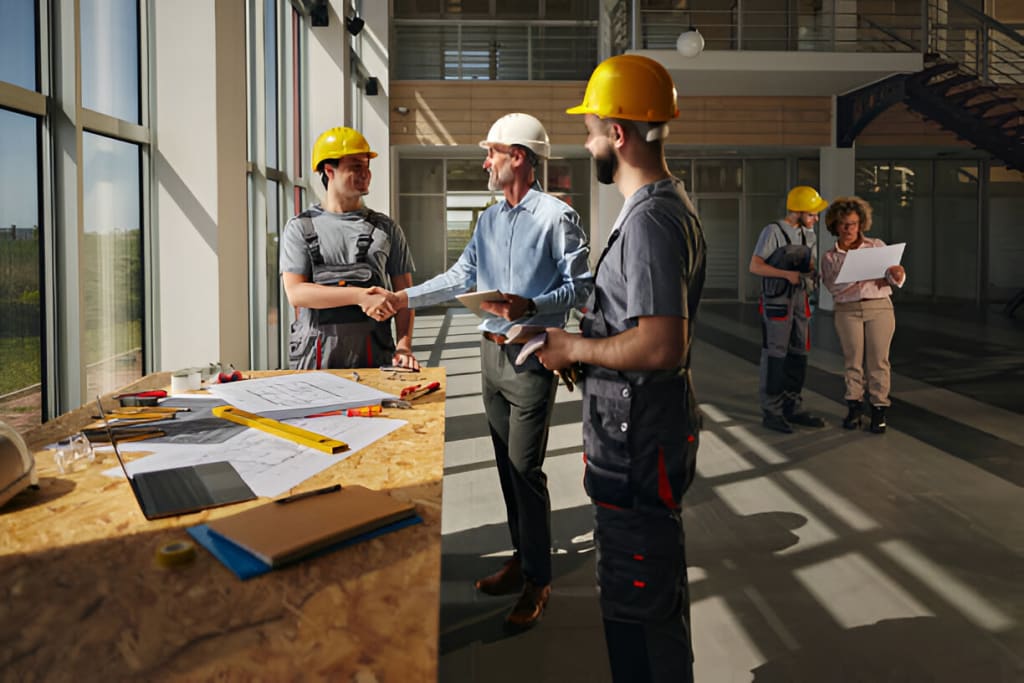
To enhance communication and cooperation during building projects, GPs establish defined procedures that streamline communication for everyone involved. These processes often include routine check-ins, defined ways to report problems, and the utilization of software that provide live information. By establishing a framework for dialogue, contractors guarantee that all stakeholders—architects, subcontractors, and workers—agree upon project goals and timelines.
Moreover, fostering a culture of transparency helps to address concerns promptly, decreasing the possibility of misunderstandings that can lead to delays. GPs also welcome input from employees at every level, understanding that knowledge from on-site personnel can greatly enhance project effectiveness. By making communication a priority and collaboration, general contractors do more than just optimize processes but also enhance team morale, which helps ensure the success of building projects. The result is a more unified operational setting where challenges are met with collective problem-solving.
Frequently Asked Questions
What Qualifications Should I Look for in a GC?
When seeking a general contractor, one should focus on credentials such as licensing, insurance, experience in relevant projects, strong references, and strong interpersonal skills. These elements significantly add to successful project execution and total customer contentment.
How Do General Contractors Handle Project Budgeting?
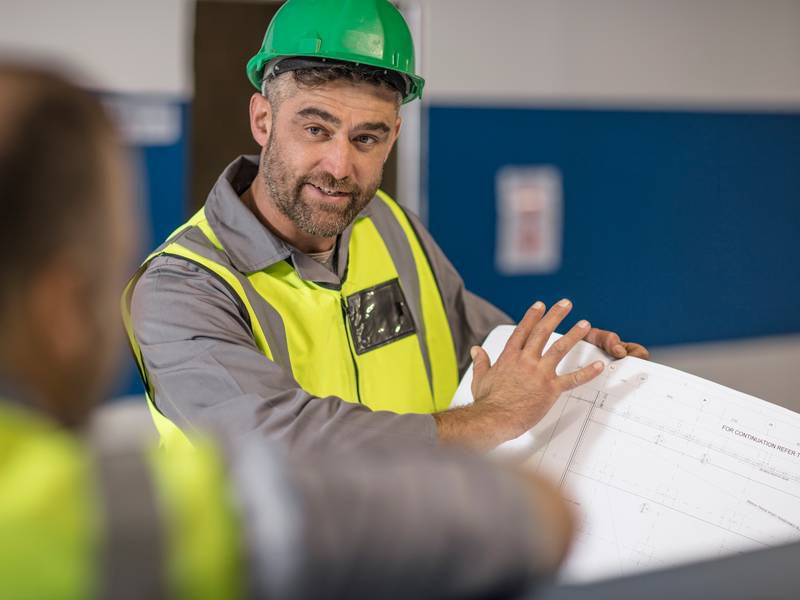
General contractors manage project budgeting by estimating costs, obtaining quotes from subs, tracking expenses throughout the project, and adjusting budgets as necessary. Hickory top rated Commercial General Contractor. They ensure that funds match the job's needs, boosting productivity and minimizing financial risks
Is a GC Able to Help With Permits and Regulations?
Absolutely, a GC is able to help with permits and regulations by providing direction on the difficult mandates, making certain local statutes are followed, and facilitating the application process, ultimately streamlining project progression and lessening the chance of client postponements.
What Is the Typical Timeline for Retaining a Building Contractor?

The average period for hiring a general contractor ranges from a few weeks to several months, depending on project complexity, contractor availability, and how quickly the client makes decisions, which ensures proper planning and alignment with construction goals. - Hickory top rated Commercial General Contractor
- Hickory top rated Commercial General Contractor
In What Ways Do General Contractors Effectively Handle Subcontractors?
Effective management of subcontractors by general contractors is achieved by ensuring communication is clear, setting defined expectations, keeping a close eye on progress, and managing the coordination of schedules. General contractors ensure all parties know their roles, fostering collaboration to maintain project timelines and quality standards.